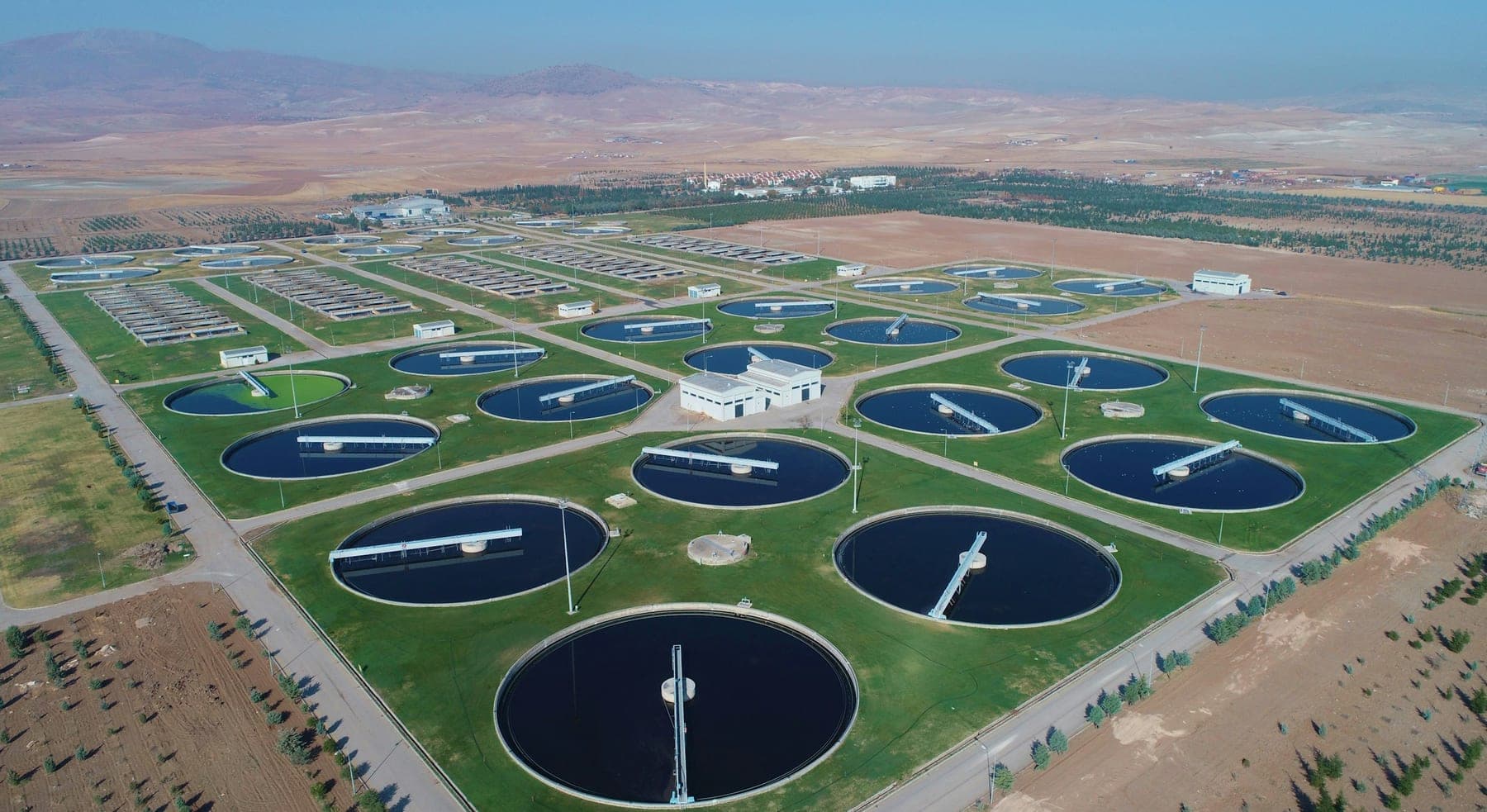
Water & Industrial Water Infrastructure
Water projects are decided by three things that sit outside engineering: the source water, the regulatory pathway, and the funding structure — and all three constrain the delivery model.
Project types
Water and wastewater treatment
Industrial water reuse
Potable reuse
Desalination
PFAS and emerging contaminant treatment
Data center water infrastructure
Semiconductor water systems
Cooling water
Stormwater and flood systems
Coastal flood protection and storm surge barriers
Lead service line replacement
Smart water and leak detection
Where projects fail in this sector
These failure modes recur across programs in this sector. None of them are construction problems.
Process selection locked before source water is fully characterized
The treatment train is chosen against assumed influent. When the real characterization arrives, the process is already contracted.
Regulatory and permitting pathway underestimated
Discharge, reuse, and potable approvals run on regulatory time, not project time, and they rarely run in parallel.
Funding structure constraining delivery model
State revolving funds, grants, and rate covenants each carry procurement conditions that quietly eliminate delivery options.
Operator readiness planned after startup
A plant handed to an operating team that was not part of its design is a plant that underperforms for years.
Industrial water treated as a utility rather than a process system
On a fab or a data center campus, water is a process system with process consequences. Scoped as a utility, it is under-designed and under-governed.
How we engage
The platforms most commonly used in this sector.
Readiness & Execution Assessment
Testing source water characterization, regulatory pathway, and funding conditions before the delivery model is set.
Capital Strategy & Investment Assurance
Capital planning and phasing where funding structure constrains procurement.
Program Management & Owner Representation
Owner representation through design, construction, commissioning, and operator turnover.
Common questions — Water & Industrial Water Infrastructure
Why does source water characterization decide the process train?
Which fails later — a water supply agreement or a discharge consent?
Is zero liquid discharge the right answer when a consent cannot be obtained?
What should an owner require before approving a water infrastructure project?
Does an owner's representative on a water project provide engineering services?
Insights — Water & Industrial Water Infrastructure
Owner-side perspectives on the constraints that govern delivery in this sector.
Zero liquid discharge is a cost structure, not a compliance box
Eliminating discharge removes a permitting problem and installs a permanent one: a high energy load, a solids disposal route, and a plant that cannot be turned down.
A discharge consent fails later than a supply agreement
Water diligence concentrates on getting water in. The permission to send it back is a longer process, is decided by a different body, and is discovered last.
Source water characterization decides the process train
Treatment processes are frequently selected against assumed influent. When the real characterization arrives, the process is already contracted.