
Project Recovery & Special Situations
What is actually happening, and how do we regain control?
Clients are buying clarity, not additional project management
Recovery engagements typically begin as a short, independent diagnostic. Clients are buying clarity and an unconflicted view — not additional project management.
Project recovery is the disciplined re-establishment of control over a capital project in difficulty. It begins with an independent account of where the project actually stands — cost, schedule, governance, and commercial position — and ends with a plan for finishing it.
By the time an owner calls, the project usually has several accounts of itself: the contractor's, the design team's, the internal team's, and the one that reaches the board. The first job is to establish which is true.
When owners call us
Any one of these is enough. Several together usually means the reporting has already broken down.
- Major cost overruns
- Schedule slippage
- Unreliable project reporting
- Design and contractor conflict
- Escalating change orders
- No credible cost-to-complete
- Board or investor concern
- Lender concern
- Weak governance
- Management turnover
- Claims escalation
What the work covers
Rapid project health check
A fast, bounded read on where the project actually stands.
Independent diagnostic
A single account of the project, built from evidence.
Cost-to-complete analysis
What finishing this will actually take.
Schedule reliability review
Whether the remaining schedule can be believed.
Governance assessment
Who decides what, and where that has broken down.
Commercial risk review
Contractual exposure as it now stands.
Change order analysis
What is driving change, and whether it is legitimate.
Consultant and contractor performance review
Performance against obligations, on the record.
Recovery planning
A plan to regain cost and schedule control.
Schedule recovery strategy
Where time can realistically be recovered.
Leadership restructuring
Changes to the delivery organization, where warranted.
Claims-avoidance strategy
Positioning to resolve disputes rather than escalate them.
Executive intervention
Senior involvement at the level the situation requires.
Turnaround program management
Running the recovery, where the owner wants us to.
Common questions about recovery engagements
What does a project recovery engagement involve?
When is the right time to call?
How is this different from adding more project managers?
Does a diagnostic lead to claims or litigation?
What does the owner receive?
Insights on projects in difficulty
What a project in trouble looks like before it is described that way, and what recovery requires.
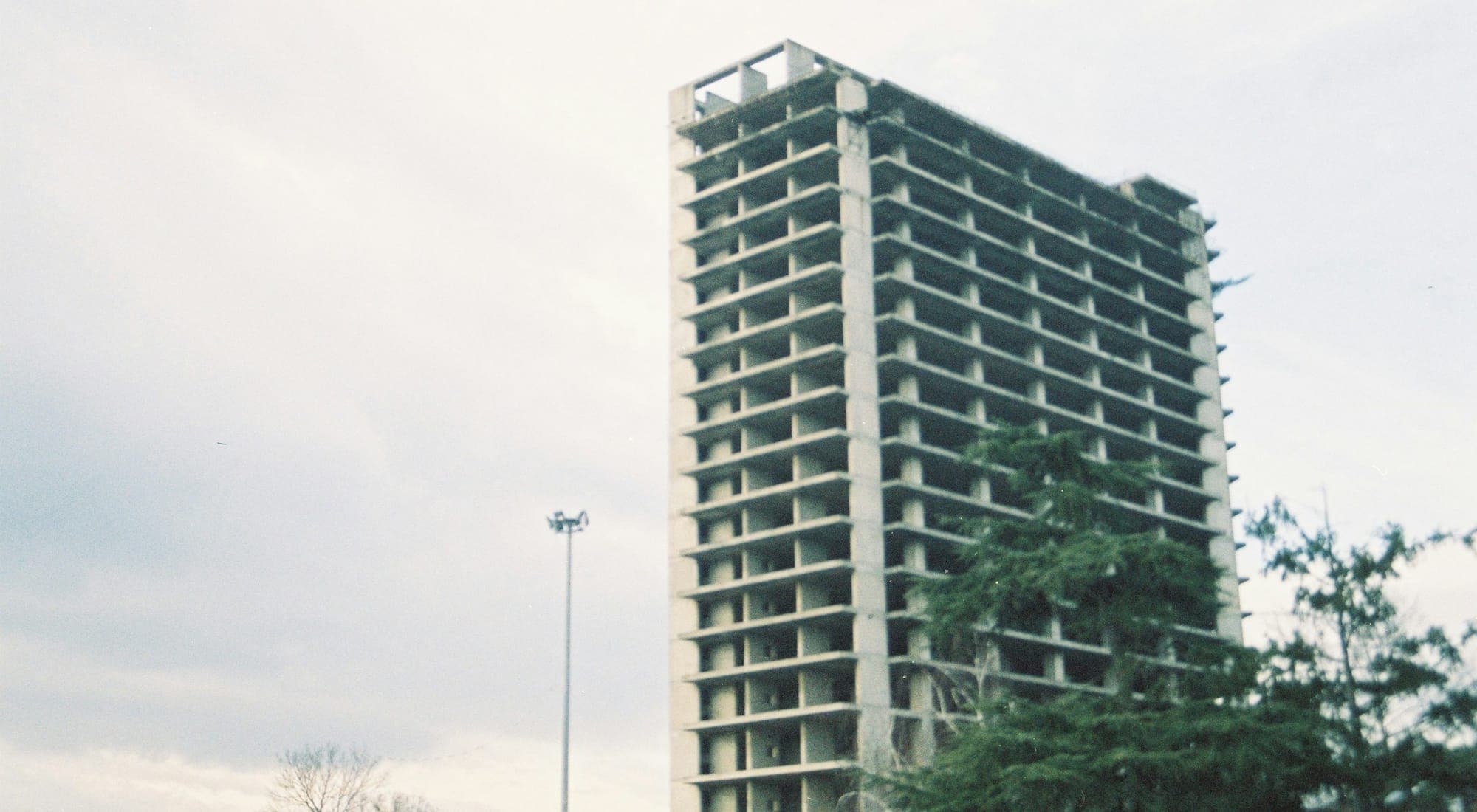
The project record is written long before anyone needs it
Disputes are decided on contemporaneous evidence. The party that kept a disciplined record was not anticipating a claim — it was simply administering the contract properly.
Recovering a project before claims take over
Once the parties are positioning for claims, the project stops being a delivery problem and becomes a legal one. There is a window before that, and it is shorter than owners expect.
Start with the diagnostic.
A short, independent read costs far less than another quarter of the current trajectory.