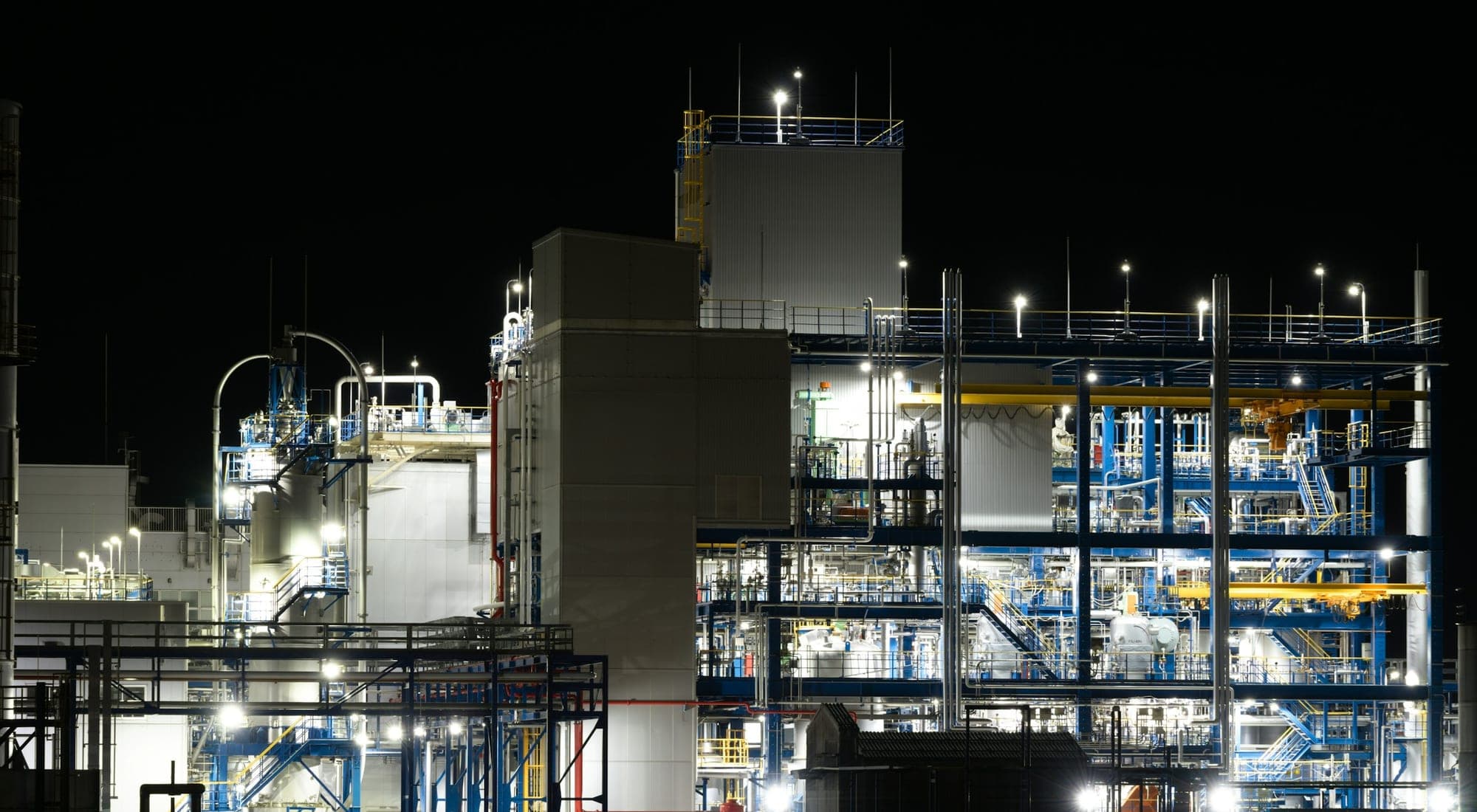
One capability, four markets.
Niner Advisors works where projects are constrained by power, water, long-lead equipment, permitting, and governance. Those constraints are the same across four markets — which is why the same capability serves all of them.
The four markets
Different technical problems. The same delivery problem.
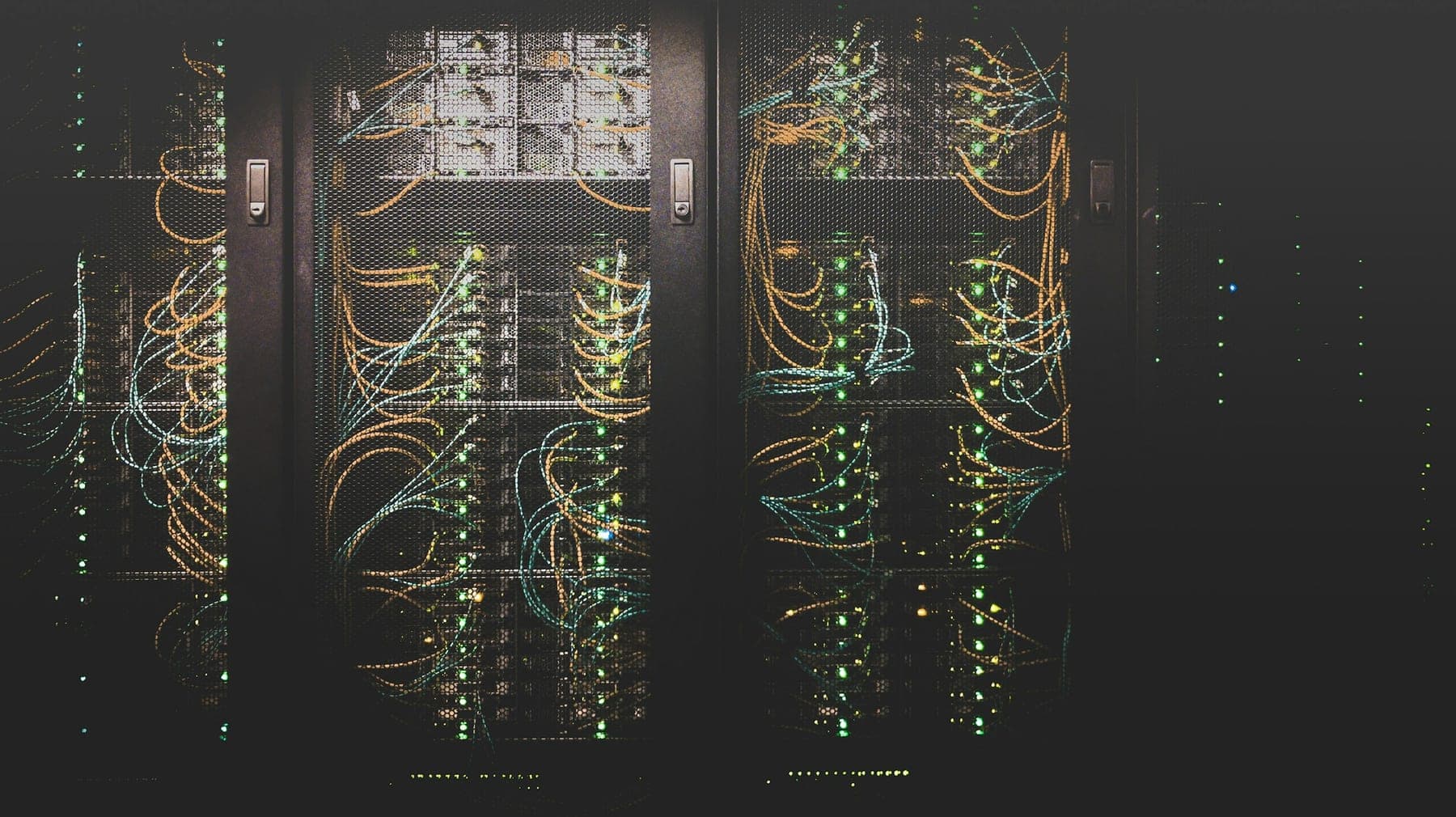
Digital Infrastructure & Data Centers
Data centers, AI campuses, and powered land, where speed to energization sets the whole delivery problem.
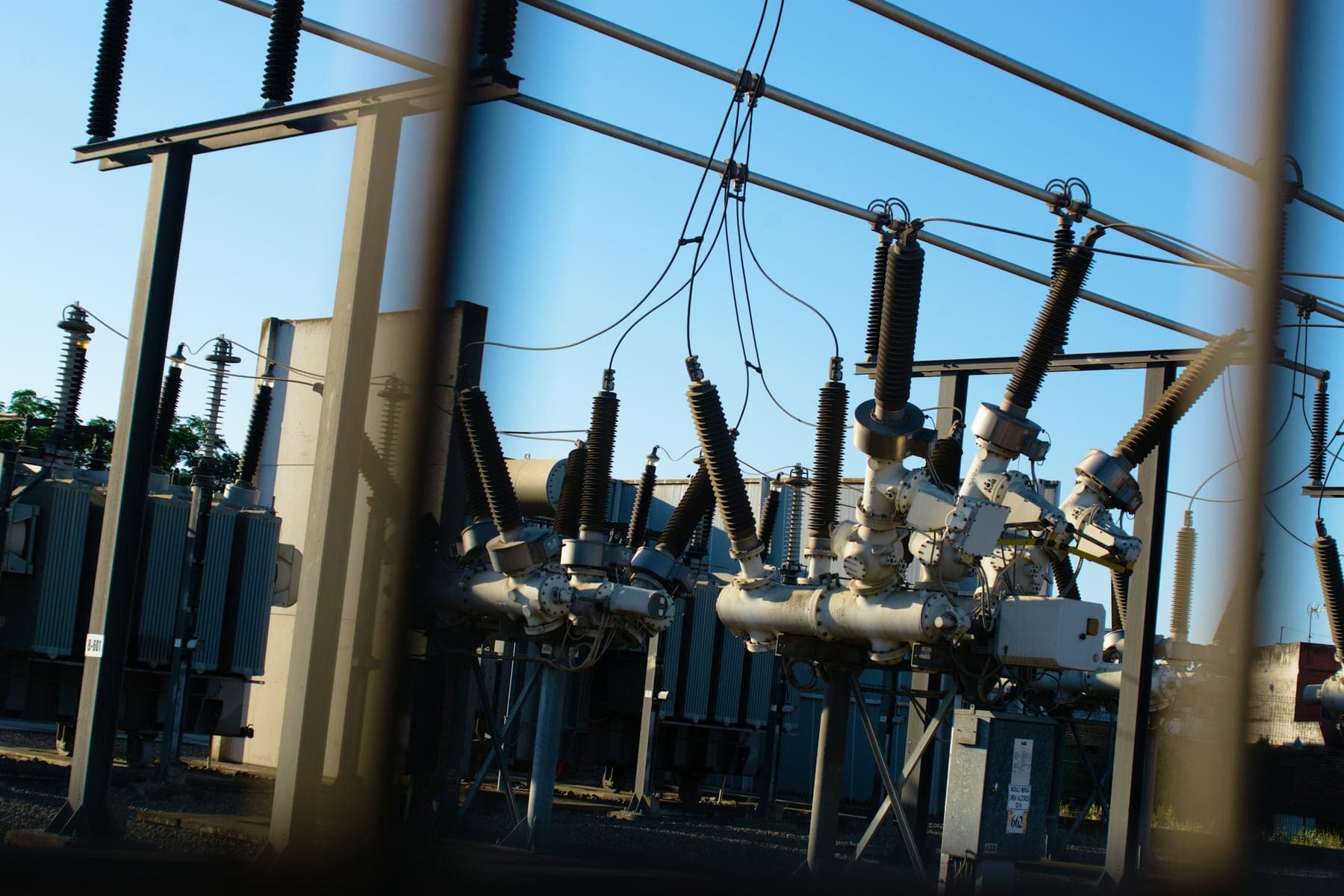
Energy & Power Infrastructure
Substations, interconnection, storage, and generation, where the queue and the long-lead order govern the schedule.
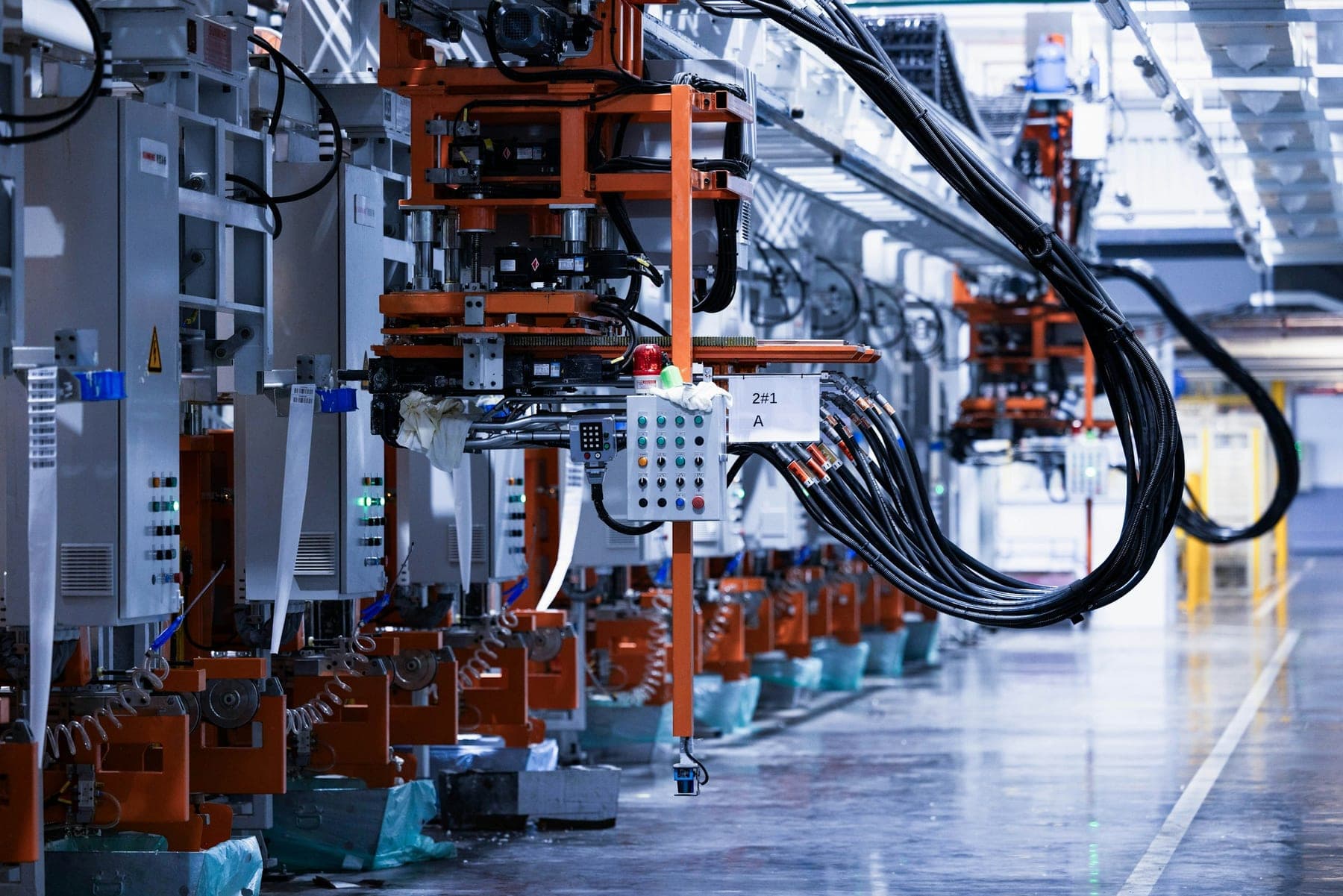
Advanced Manufacturing & Process Industries
Fabs, battery and chemical plants, pharmaceutical and food processing, where the building exists to serve the process and the equipment install.
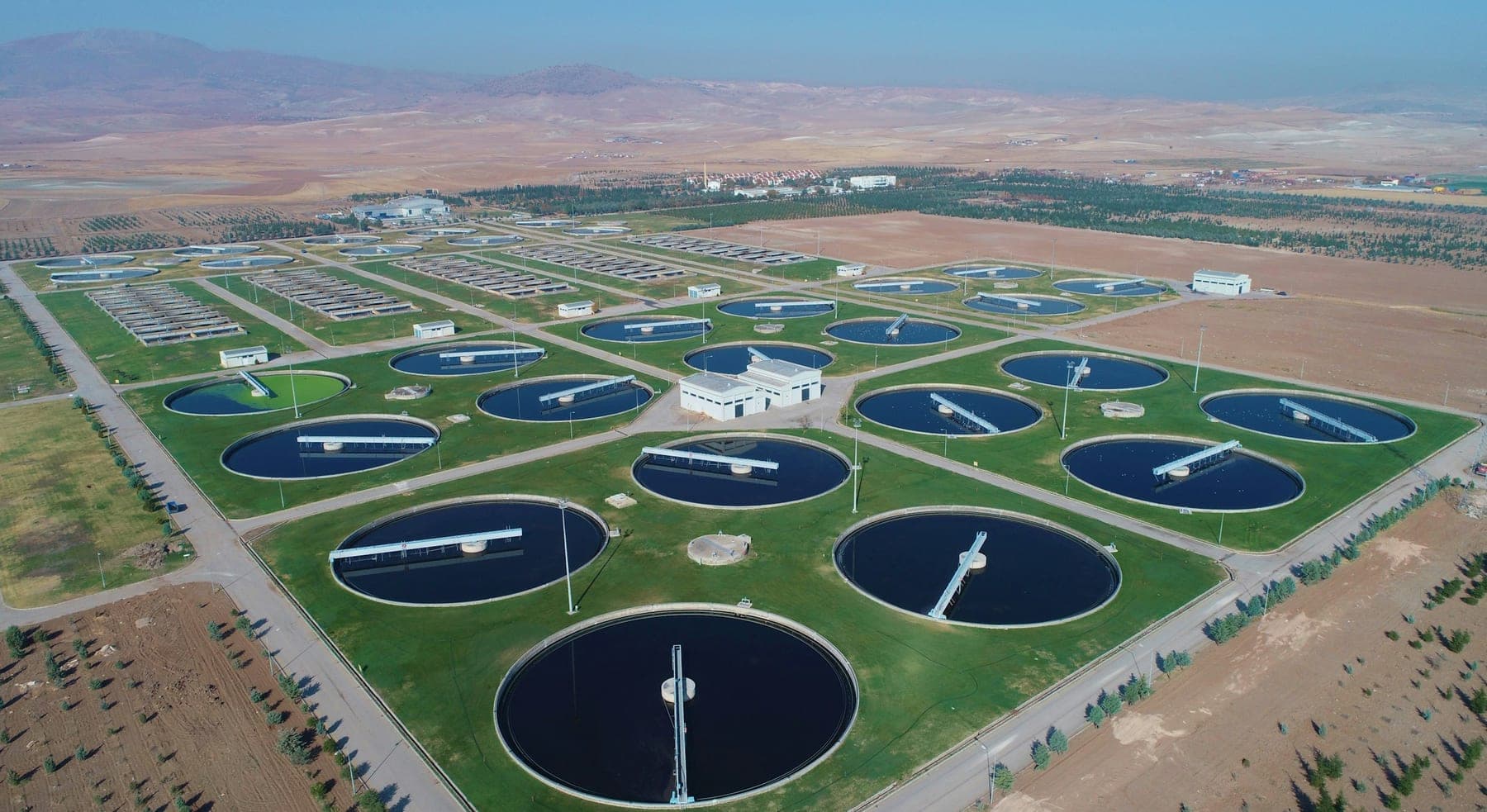
Water & Industrial Water Infrastructure
Treatment, reuse, and industrial water systems, where process selection is a commercial decision, not a technical one.
The constraint set is the same. Only the vocabulary changes.
A fab, a data center campus, a substation program, and an industrial water plant are different technical problems. They are the same delivery problem.
Each is gated by a utility connection the owner does not control. Each depends on equipment ordered long before the design is finished. Each runs through a permitting process that will not move faster because the capital is ready. And each is governed by a structure that was usually designed for the transaction rather than for the build.
That is the work. It is why a single practice can serve four markets without diluting into general construction advisory.
Adjacent markets
Outside the four markets, the same constraint set recurs: utility capacity, long-lead procurement, permitting sequence, and owner governance. Where it does, the same capability applies.
Logistics & cold storage
Distribution and cold-chain facilities, where refrigeration load and utility capacity set the schedule.
Mining and mineral processing
Facilities only — processing plants and site infrastructure, gated by power, water, and permitting.
Environmental remediation
Site cleanup and containment programs, where the regulatory pathway fixes the sequence.
Agriculture and controlled-environment facilities
Greenhouses, vertical farms, and processing facilities, where power, water, and climate systems govern the build.