Digital Infrastructure & Data Centers
Data center programs are constrained less by construction than by power: the date the site can be energized sets every other date on the project, and it is decided by parties the owner does not control.
Project types
Data centers
AI campuses
Powered land development
Medium and high voltage distribution
Cooling and heat rejection plants
Liquid cooling
Backup generation
Battery systems
Campus infrastructure
Commissioning and reliability testing
Where projects fail in this sector
These failure modes recur across programs in this sector. None of them are construction problems.
Powered land that is not buildable land
A capacity letter is not an energization date, and an energization date is not a buildable site. The three get conflated at acquisition and separate painfully afterwards.
Utility interconnection assumptions never validated
The assumption enters the model early, is never independently tested, and is still load-bearing when the capital is committed.
Speed-to-energization driving premature design release
Drawings are released to hold a date rather than because the design is ready, and the rework arrives later at construction prices.
Long-lead switchgear and transformer procurement started too late
The order date, not the construction schedule, is the real constraint — and it is usually discovered after the schedule has been published.
Water and cooling strategy decided after site acquisition
Cooling approach determines water demand, discharge, permitting, and plot area. Deciding it after the land is bought removes the cheapest options.
Governance built for a real estate deal, not a mission-critical build
The decision structure that closed the transaction is rarely the one that can run a commissioning program.
How we engage
The platforms most commonly used in this sector.
Readiness & Execution Assessment
Most commonly commissioned before land or capital is committed, to test the power and water assumptions the case rests on.
Program Management & Owner Representation
Holding the interfaces between utility, design, equipment vendors, and the construction organization through delivery.
Capital Strategy & Investment Assurance
Independent monitoring for the parties funding a multi-phase campus build.
Common questions — Digital Infrastructure & Data Centers
What does an owner's representative do on a data center project?
Why is powered land not the same as buildable land?
When should a data center project commission an independent readiness review?
How early do transformers and switchgear need to be ordered?
Does cooling strategy really need to be decided before site acquisition?
Insights — Digital Infrastructure & Data Centers
Owner-side perspectives on the constraints that govern delivery in this sector.
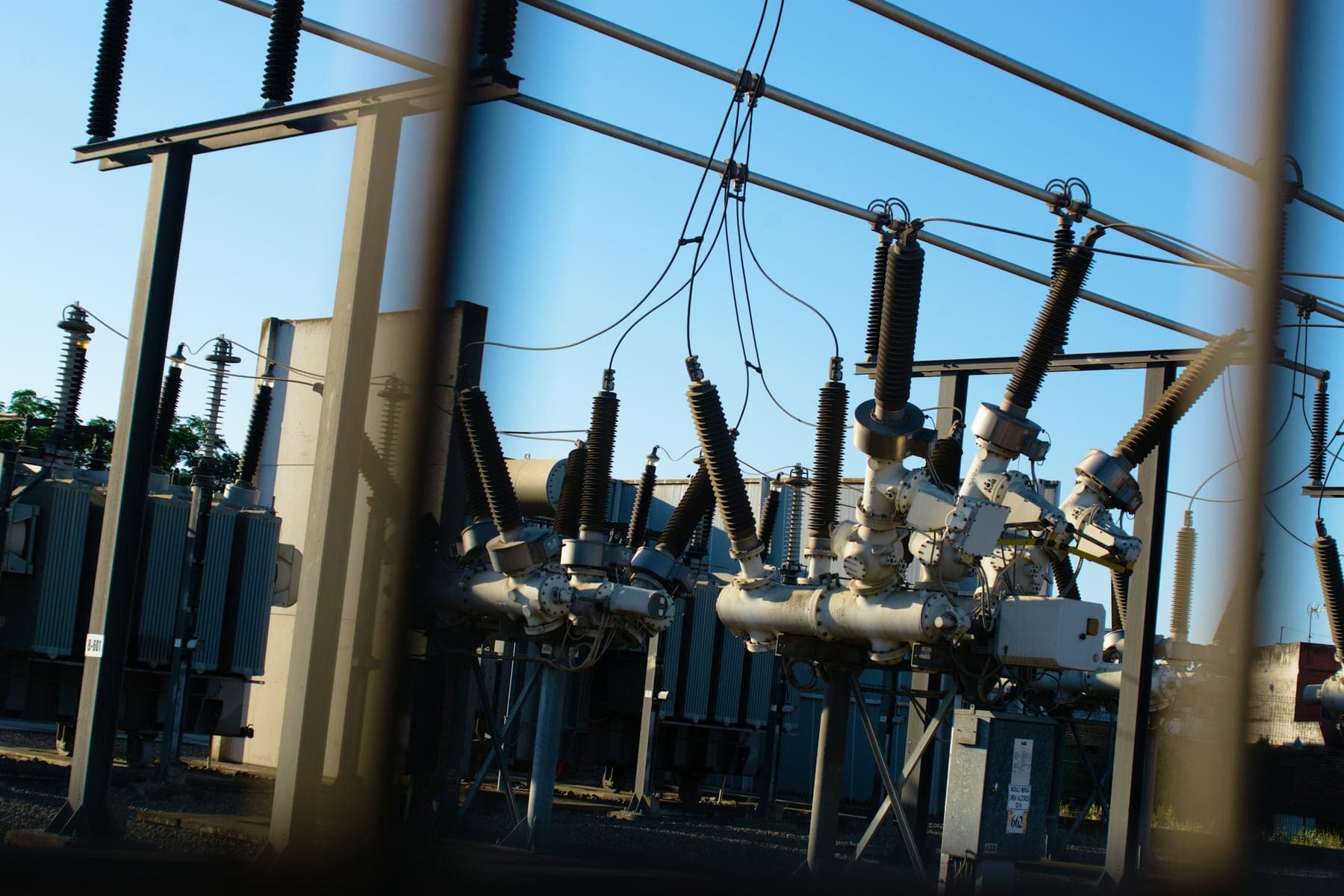
Powered land is not buildable land
A capacity letter, an energization date, and a buildable site are three different things. They get conflated at acquisition and separate painfully afterwards.
Rack density decided late is paid for twice
Density is the input that sizes the electrical distribution, the cooling plant, the structure, and the floor area. Leaving it open keeps optionality the design has already spent.
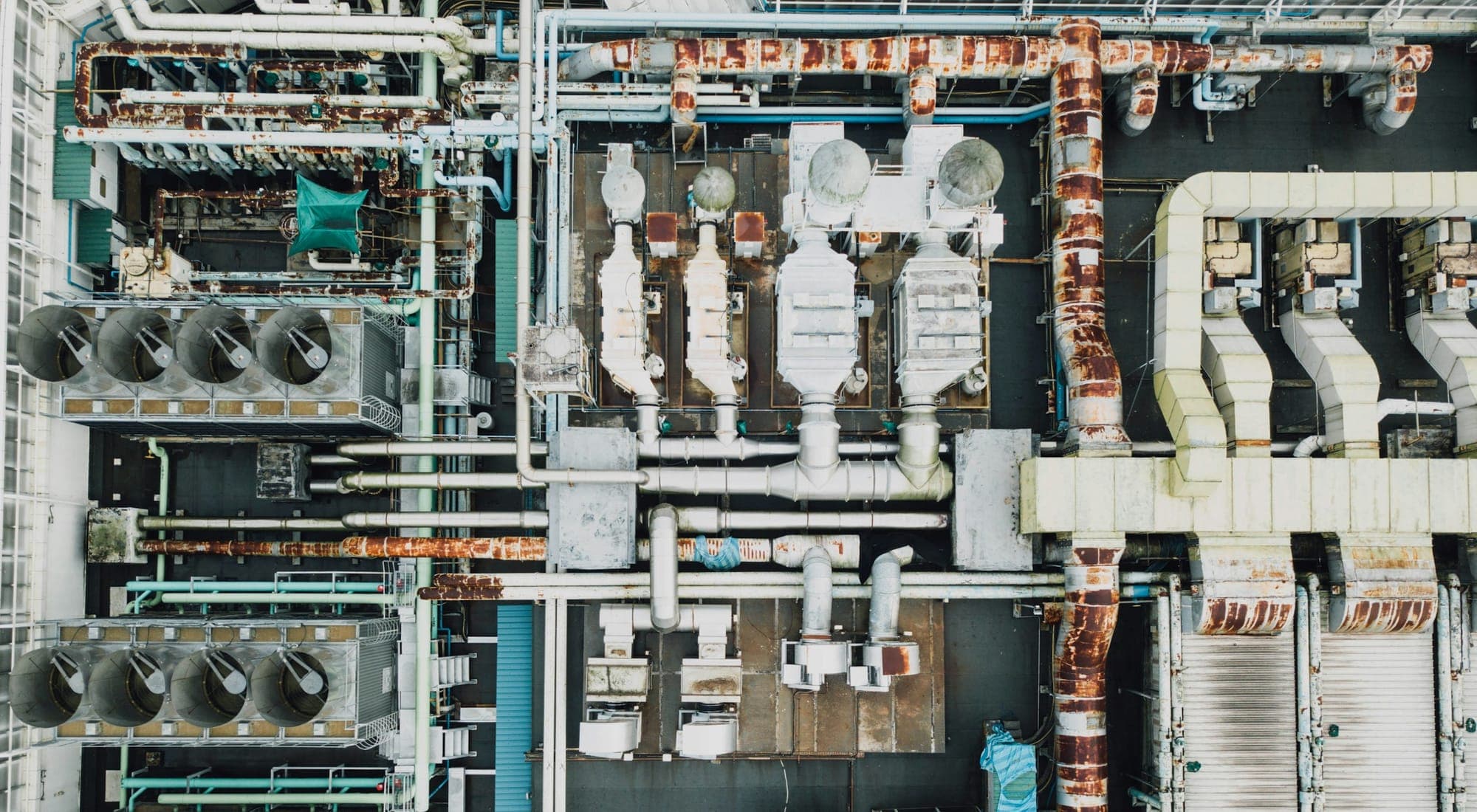
Cooling strategy is a land decision, not a mechanical one
The cooling approach determines water demand, discharge consent, plot area, and power draw. Deciding it after site acquisition removes the cheapest options from the table.