Operations belongs in design review, not at handover
The team that will run an asset for decades is usually consulted after the decisions that determine what running it costs have already been made.
Capital projects are organized around getting an asset built. The organization that will run it for the following twenty or thirty years is typically formed late, staffed later, and consulted at handover.
By then the decisions that determine what operating the asset costs — access, redundancy, maintainability, instrumentation, spares commonality, and the physical arrangement of plant — are built. The operating team's input arrives as a list of things it will now have to live with.
What gets decided before operations arrives
Four categories of decision set the operating cost, and all four are usually closed before an operator sees a drawing.
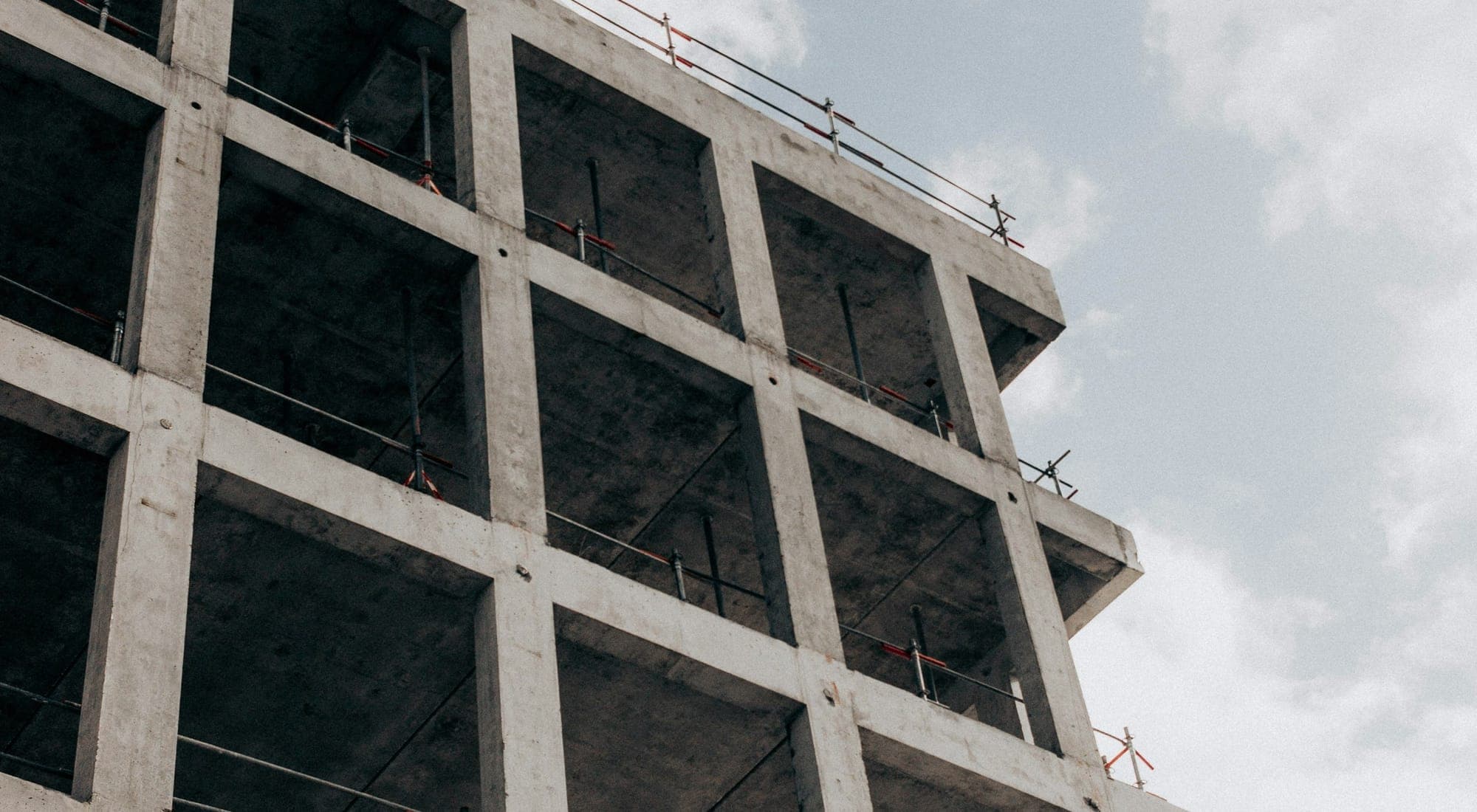
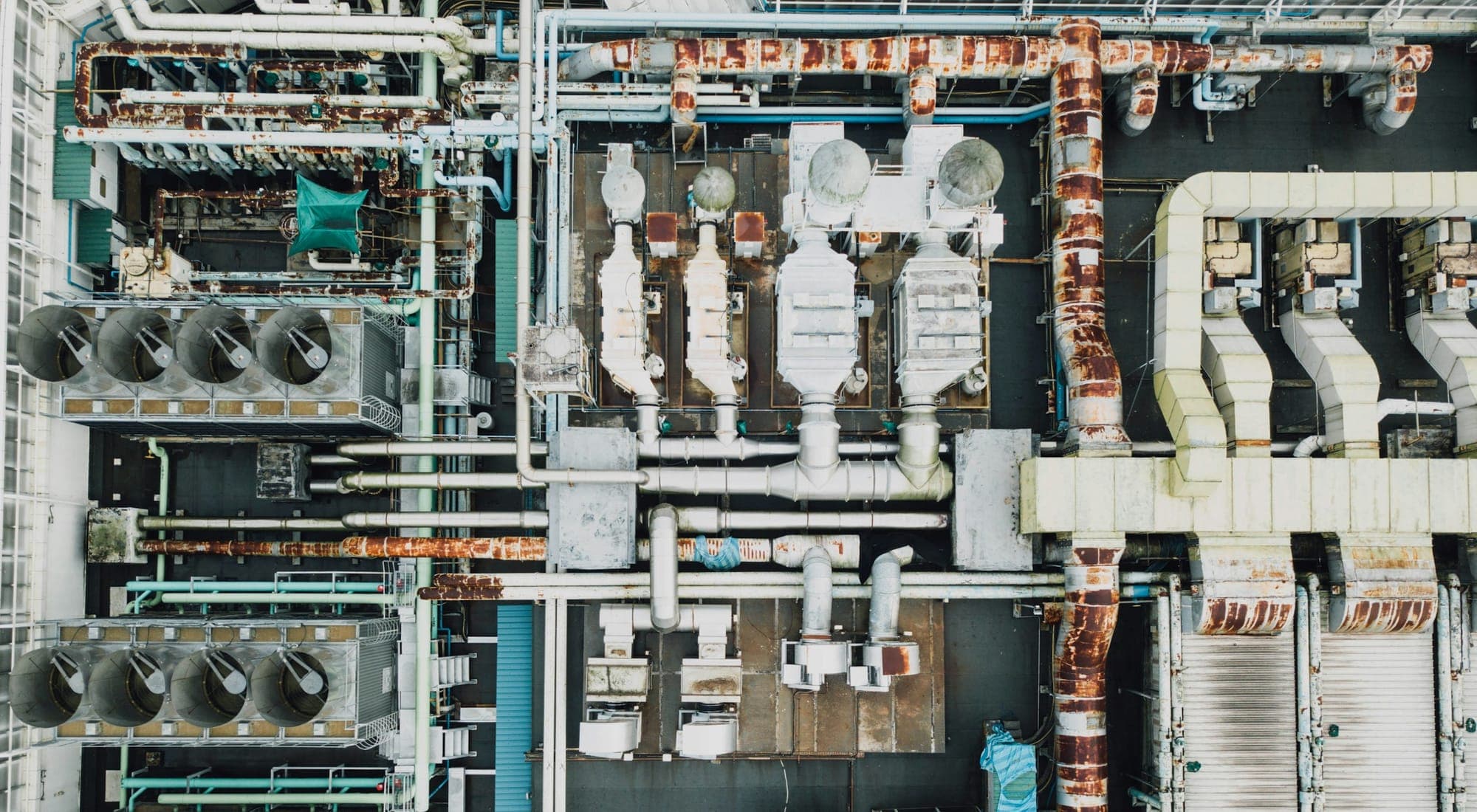
Access and clearance. Whether a component can be removed without disassembling the one in front of it. Whether a filter can be changed by one person or requires two and a lift. Whether the maintenance route to a rooftop unit crosses a live process area. These are layout decisions, taken for plot efficiency, and they set the labor cost of every intervention for the asset's life.
Maintainability under load. Whether the plant can be maintained while the facility operates. A design that requires a shutdown for routine maintenance imposes a production cost that no capital comparison captured.
Standardization. Whether the equipment selected across the facility shares parts, controls, and service arrangements. A design optimized package by package produces a spares inventory and a training burden that a fleet view would have avoided.
Instrumentation and data. Whether the asset is instrumented to be diagnosed, or only to be controlled. The difference is a modest number of additional points at design stage and a substantial difference in the operator's ability to find a fault later.
Every one of these is a cheap change on a drawing, a moderate change during construction, and a permanent operating cost after handover. Which of the three it becomes is decided by when the operator is asked.
Why the sequence persists
The reason is structural rather than negligent.
The operating organization frequently does not exist during design. Where the asset is new, its operators have not been recruited; where it will be operated under contract, the operator has not been procured. Nobody is available to consult.
There is also a budget boundary. Capital cost and operating cost are held by different parts of most organizations, measured separately, and approved by different processes. A design decision that raises capital cost to reduce operating cost is a transfer between two budgets, and the party holding the capital budget has no reason to make it.
And design review, as normally constituted, is a technical compliance exercise. It asks whether the design meets the specification, not whether the facility will be economical to run.
What a working arrangement looks like
The remedy does not require the operating team to exist. It requires the operating perspective to be represented, and there are three ways to do that.
A named operability reviewer. A person with operating experience of comparable assets, appointed to the project team, whose scope is defined: access and maintainability, spares and standardization, isolation and switching, and instrumentation for diagnosis. Where the eventual operator exists, it should be that organization. Where it does not, it can be brought in.
Reviews at the points where change is still cheap. Concept, at the stage where layout and equipment strategy are being set. Detailed design, before coordination is complete. Pre-order, on the major equipment packages. A review after coordination is a review of a design that can no longer economically move.
Comments that have to be answered. An operability objection should be closed formally — accepted, rejected with a reason, or accepted with a cost. Comments that are logged and not dispositioned are the normal outcome, and they produce the handover complaint list.
What to ask for at each stage
The questions are unglamorous and they surface most of the value.
At concept: how is each major plant item accessed and removed, and does that route stay clear once the rest of the design lands. What can be maintained while the facility runs, and what cannot.
At detailed design: where are the isolation points, and can a single system be taken out of service without affecting others. What is the spares list, and how many distinct items does it contain. What instrumentation exists beyond what the control system needs.
At pre-order: who services this equipment, from where, with what response time and what parts availability. Is that answer the same for the other three packages that could have been standardized with it.
An asset reviewed this way is not more expensive to build in any material sense. It is meaningfully cheaper to run, and it is handed over to a team that has already seen it — which removes most of the first-year operating problems that projects otherwise treat as inevitable.