Behind-the-meter generation is a permitting question first
On-site generation is presented as a way around the interconnection queue. It is a different regulatory pathway, not the absence of one, and its constraints appear later.
When a grid connection date will not support a project, on-site generation is the first alternative proposed. It is presented as a way of removing the utility from the critical path: build the power, energize on your own schedule, connect later.
Sometimes that is correct. More often it exchanges one queue for a set of consents that nobody has yet mapped, on a project team that has already lost the time it was trying to save.
What the generation option actually requires
Generating power on site is a permitted industrial activity, and the permissions are not trivial.
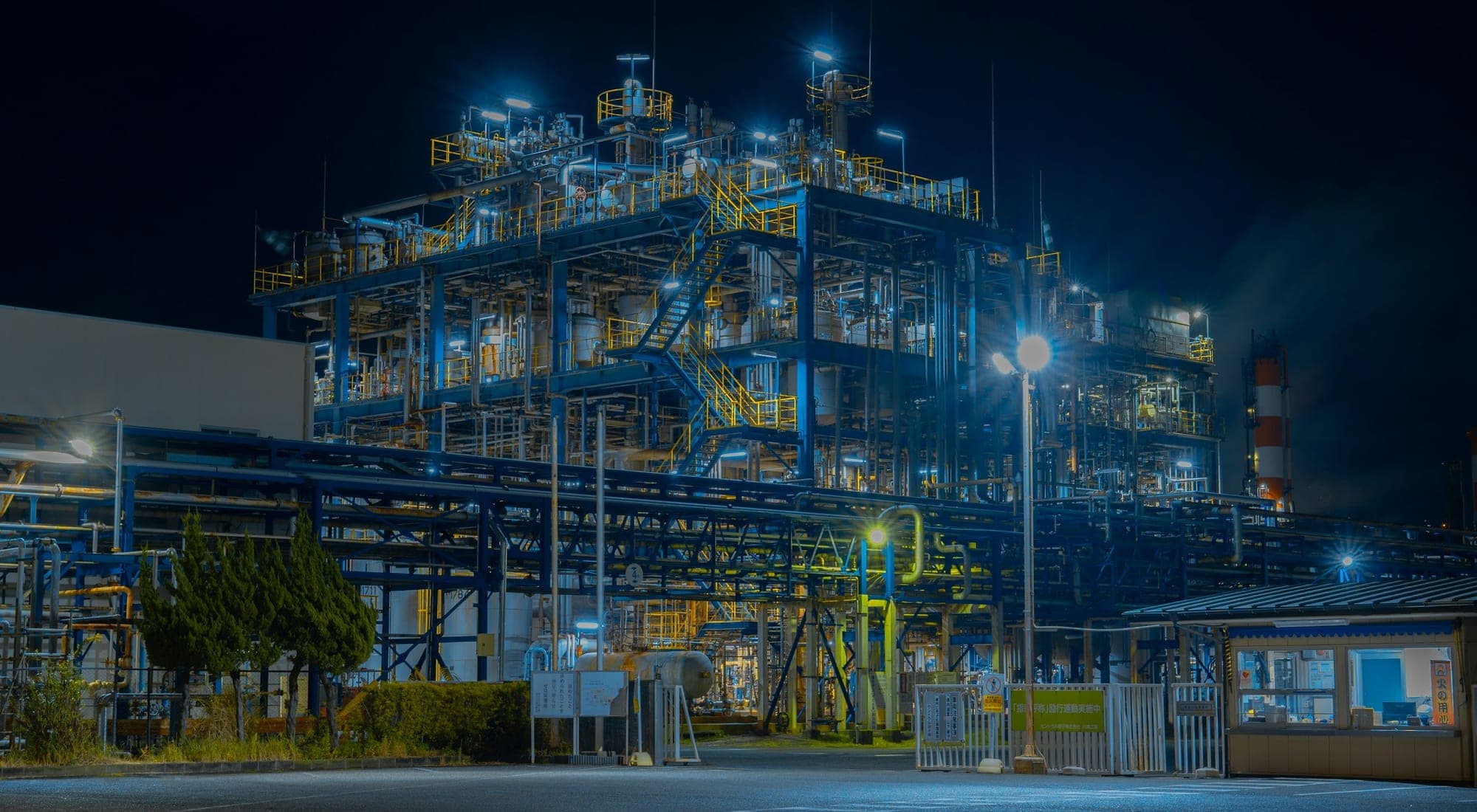
Air. Combustion equipment requires an emissions authorization, and the assessment depends on the technology, the fuel, the annual run hours, and the receiving airshed. In a constrained airshed the determination can be the longest single item on the program, and in some it will not be granted at the scale requested.
Fuel. A gas supply is its own connection process with its own queue, its own capacity study, and its own pipeline route to secure. Liquid fuel means storage, containment, delivery access, and a separate set of consents. Neither is faster than an electrical connection by default.
Water. Most thermal generation consumes water for cooling and, in some configurations, for emissions control. That reopens the supply agreement and the discharge consent that the project may have thought it had settled.
Noise and land use. Generating plant is loud, tall, and requires setbacks. Where the site was acquired for a non-generating use, the planning position may not accommodate it, and a variation is a public process.
Grid interaction. Even an island configuration usually retains a connection for import at reduced capacity, for export, or for black start. That connection has an agreement behind it, and the terms of that agreement — including whether export is permitted at all — shape the whole commercial case.
Why the timeline surprises people
The comparison that gets made is between a stated interconnection date and an assumed construction duration for the generation plant. That comparison omits the permitting path entirely, because at the point the decision is being taken, nobody has scoped it.
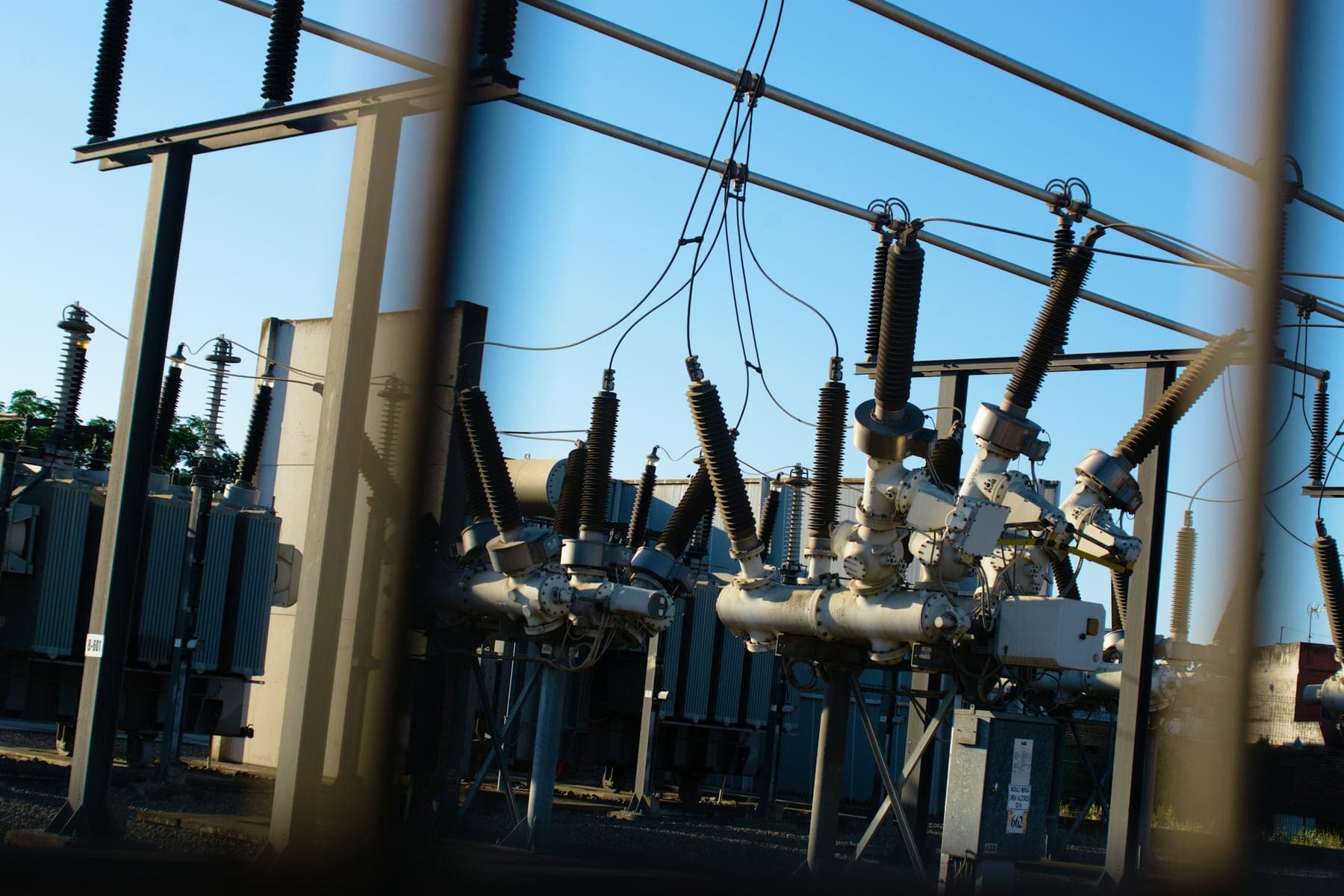
There is a second omission. Generation equipment has its own order book. Turbines, reciprocating engines, and the associated electrical plant carry lead times that have lengthened alongside everything else in the sector. The project that turns to on-site generation because transformers are late frequently finds that generators are late too.
On-site generation does not remove the project from a queue. It moves the project into a different queue, run by a different authority, with a different failure mode.
When it is genuinely the right answer
The option is strong under specific conditions, and it is worth naming them.
Where the project's load is large enough that the grid upgrade required to serve it is a multi-year network reinforcement rather than a connection, on-site generation may be the only path that exists.
Where the site is already an industrial location with an established emissions position, existing fuel supply, and a land-use consent that contemplates generation, most of the permitting burden is already discharged.
Where the generation is intended as bridging capacity — serving early load while the interconnection completes — the case is materially easier, because a temporary or reduced-hours authorization is a smaller ask than a permanent one at full capacity.
Where the configuration is non-combusting, or the plant exists primarily for resilience rather than for primary supply, several of the consents above shrink or disappear.
What to do before committing to it
The sequence is the same as for any other constraint that has been mistaken for an activity.
Scope every consent the configuration requires, name the issuing authority for each, and get an indicative timeline from each — before the option is presented as a solution. Establish the fuel and water positions as separate diligence items with their own owners. Confirm the equipment lead times against real vendor slots rather than published averages.
Then compare the two paths on the same basis: not construction duration against interconnection date, but total time to reliable power, with the permitting sequence for each option laid out and its float shown.
Run that way, the answer is sometimes on-site generation and sometimes not. Run the other way, the answer is always on-site generation, and the project discovers what it committed to about a year later.